Construction Financing Options for Real Estate Investors

Terrydale Capital
Dec 3, 2025 6 Min read
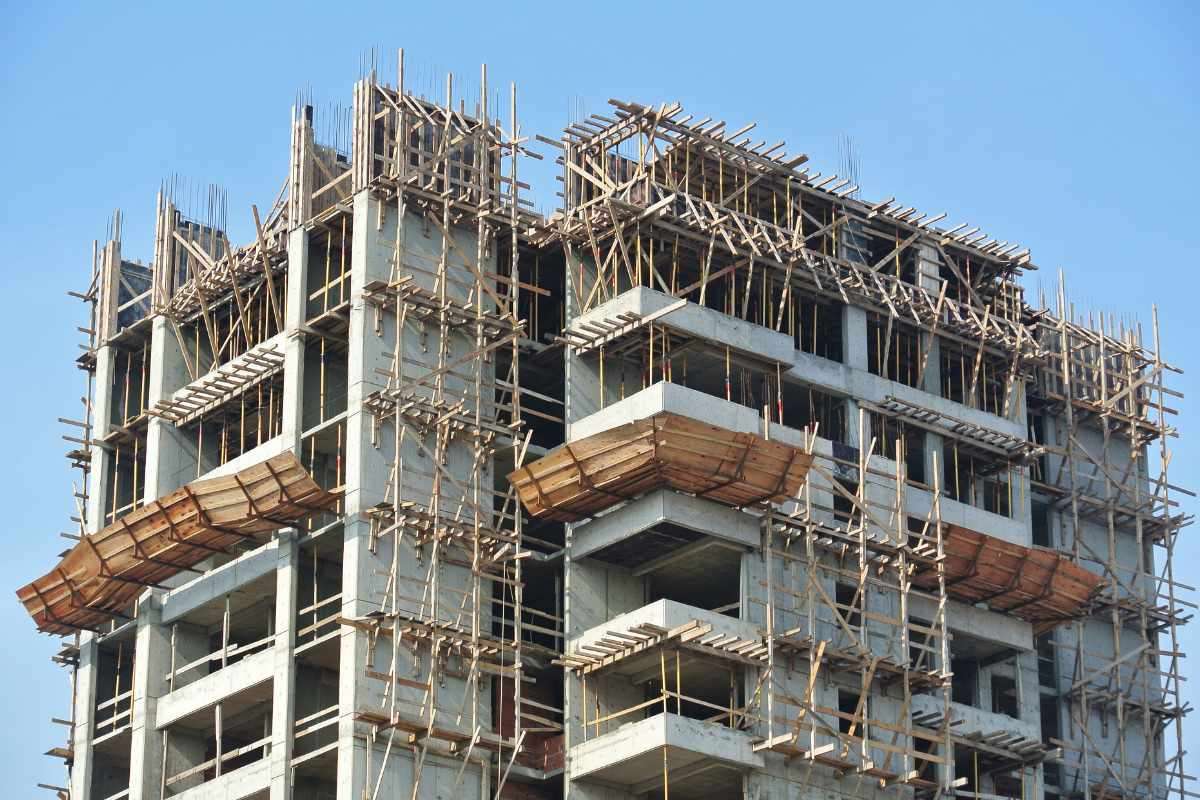
Real estate investors in Texas—and across major metros like Dallas, McKinney, Prosper, and the greater DFW area—often reach a point where traditional mortgages or DSCR loans are not enough. When expanding into new builds, heavy renovations, or ground-up development, construction financing becomes the strategy that supports larger, more profitable projects.
This article breaks down the most common construction financing options, how they work, and which ones investors should consider depending on their goals and experience.
What Is Construction Financing?
Construction financing refers to short-term or phased loans designed to fund:
- New residential builds
- Multifamily development
- Fix-and-flip renovations
- Build-to-rent projects
- Commercial construction
- Land development
Unlike traditional mortgages, construction loans release funds in draws, based on completed project stages, and focus heavily on project feasibility and investor experience.
Types of Construction Financing for Investors
Different investing strategies require different financing structures. These are the most common options used by builders, investors, and developers.
1. Ground-Up Construction Loans
These loans fund the complete development of a new property—from land preparation to full build-out. Investors use them for:
- Single-family spec homes
- Duplex–fourplex construction
- Small multifamily projects
- Build-to-rent communities
Key Features
- Interest-only during construction
- Loan amounts based on LTC (Loan-to-Cost) and ARV
- Draws released as work is completed
- Often refinanced into DSCR or long-term rental loans
Ground-up loans are ideal for seasoned investors and builders targeting higher profitability.
2. Fix-and-Flip Construction Loans
These loans combine purchase funding with renovation capital, allowing investors to transform distressed or outdated properties.
Best for:
- Investors renovating single-family rentals
- BRRRR strategy users
- Short-term rental conversions
- Properties needing heavy rehab
Benefits
- Fast approvals
- Fund both acquisition and construction
- High LTV/LTC options
- Easy transition to long-term DSCR loans
Fix-and-flip financing allows investors to scale renovation projects quickly.

3. Construction-to-Permanent Loans
A single loan that covers both construction and the long-term mortgage. Once the property is finished, the loan automatically converts into permanent financing.
Advantages
- One closing
- Rate locked early
- Lower fees
- Ideal for primary residences or long-term rentals
Investors use these loans for smoother transitions and lower total financing costs.
4. Land and Lot Loans
For investors who want to acquire land first and build later, land financing offers a crucial stepping stone. These loans cover:
- Raw land
- Improved lots
- Development parcels
- Future residential or commercial sites
Once construction plans are approved, investors typically roll these into construction or DSCR loans.
5. Multifamily Construction Loans
For small-to-mid-size investors targeting growth, multifamily construction financing supports:
- Duplexes
- Triplexes
- Fourplexes
- Small apartment buildings
What lenders evaluate
- Construction budget
- Investor experience
- Rent projections
- Local market demand
These projects deliver long-term rental income and appreciation.
What Lenders Look For in Construction Financing
Construction financing carries more risk than rental financing, so lenders evaluate:
- Experience with similar projects
- Detailed construction budget
- Contractor bids
- Project timeline
- Exit strategy (sale or DSCR refinance)
- Property value after completion
Having a clear plan increases approval odds and leads to better loan terms.
The Role of DSCR Loans in Construction Projects
Many investors pair construction financing with DSCR loans as the exit strategy. Once the project is completed, refinanced, and stabilized, DSCR lenders evaluate the property based on cash flow—not personal income.
This provides:
- A predictable path to long-term financing
- Lower monthly payments than bridge loans
- Faster scalability after construction
This construction-to-DSCR pipeline is one of the most powerful tools for income-producing portfolio growth.
Final Thoughts
Construction financing unlocks opportunities that traditional mortgages simply cannot support. Whether investors are building new homes, renovating distressed properties, or creating long-term rental communities, these specialized loans provide the capital needed to scale.
Partner With Terrydale Capital for Your Debt Financing Needs
When it comes to debt financing, understanding the right timing, process, and options is crucial. At Terrydale Capital, we provide a comprehensive range of commercial loan solutions tailored to meet your business's unique needs.



























































Success!
Product has been created successfully!
Headquartered in Dallas, Texas, Terrydale Capital is a leader in commercial real estate financing. We have close relationships with the nation’s top banks, lenders & family offices allowing us to provide the most competitive financing solutions in the market.


