How to Qualify for Build-to-Rent Financing in Texas

Terrydale Capital
Dec 23, 2025 6 Min read

Qualifying for Build-to-Rent (BTR) financing is different from qualifying for a traditional mortgage. Lenders evaluate the project, the property’s income potential, and the investor’s experience rather than focusing solely on personal income.
In high-growth markets like Dallas, McKinney, Prosper, and the greater DFW area, understanding how lenders underwrite build-to-rent loans can significantly improve approval odds and loan terms. This guide explains exactly what investors need to qualify for BTR financing—from land acquisition through long-term rental stabilization.
Understanding the BTR Lending Model
Unlike consumer mortgages, BTR loans fall under commercial real estate financing. Many lenders operate through industrial banks, industrial loan companies, or specialized loan agencies that focus on investor-focused capital rather than personal lending.
These lenders prioritize:
- Project viability
- Rental income projections
- Market demand
- Risk mitigation
- Exit strategy
This structure allows investors to scale without traditional income constraints.
Credit Requirements for Build-to-Rent Loans
While BTR financing is more flexible than conventional loans, credit still matters.
Most lenders look for:
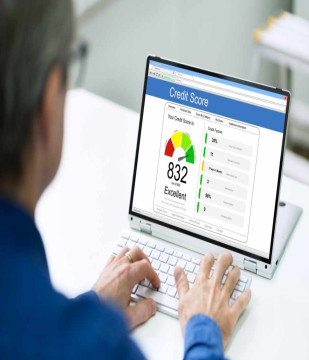
- Minimum credit scores between 660–700
- Clean recent credit history
- Limited late payments or defaults
- Strong liquidity relative to project size
Higher credit scores often unlock better rates and higher leverage, especially when working with industrial loans or private lending structures.
How to Qualify for Land Financing
Before construction begins, investors must often secure land. Lenders offering how to get a loan for land solutions evaluate land deals differently than home purchases.
To qualify for land financing near me in Texas, lenders typically require:
- Clear zoning approval
- Utility access or development plans
- Market feasibility
- Defined construction timeline
- Exit strategy (construction or resale)
Land loans usually require higher down payments, but they can later be rolled into construction financing.
Qualifying for Construction Financing
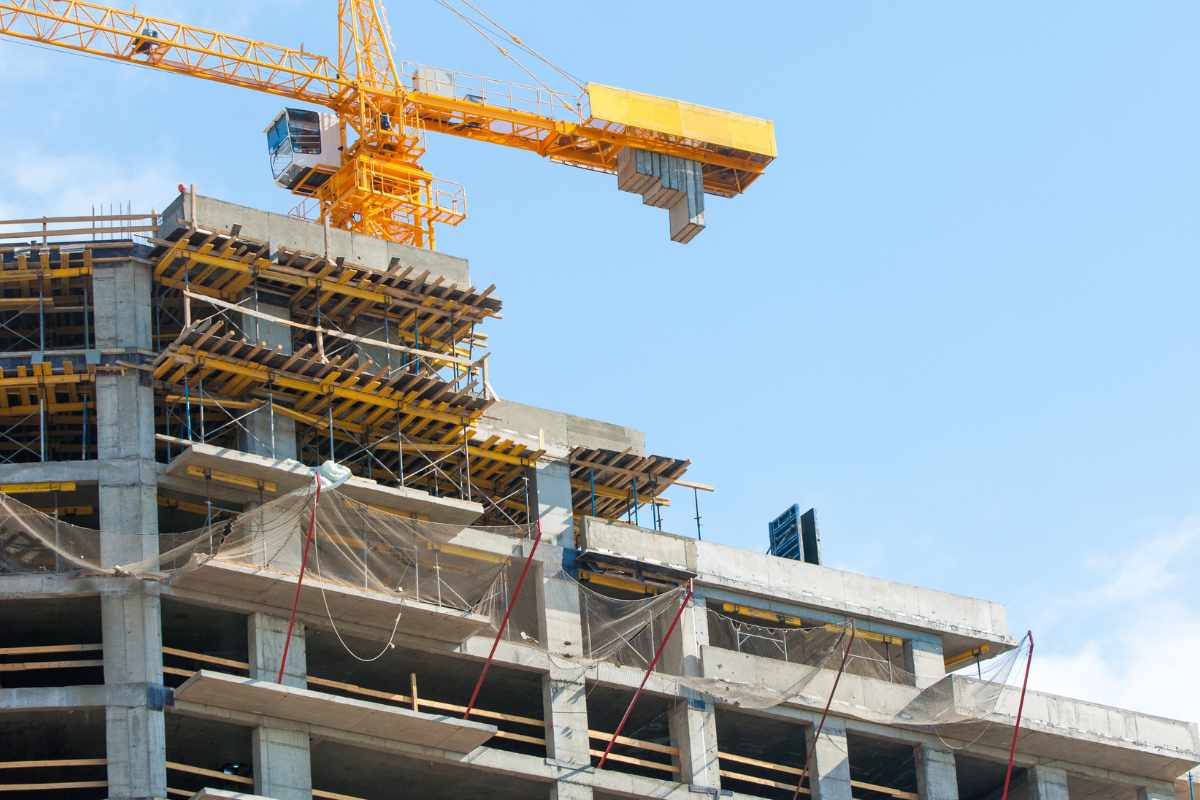
Construction financing is a major qualification step for BTR investors. Lenders evaluate both the borrower and the project itself.
Key qualification factors include:
- Detailed construction budget
- Contractor bids and experience
- Project timeline
- Loan-to-Cost (LTC) ratio
- Market rent analysis
Experienced investors often qualify for higher leverage, while newer investors may need stronger liquidity or partnerships.
Experience Requirements for BTR Investors
Investor experience plays a major role in approval. However, lack of experience does not automatically disqualify borrowers.
Lenders may approve deals if:
- The investor partners with an experienced builder
- The borrower has comparable investment history
- A professional management company is in place
- The deal is conservative and well-structured
Many industrial loan companies are flexible when risk is mitigated properly.
DSCR Requirements for Permanent Financing
Once the BTR community is built and leased, investors typically refinance into DSCR loans, which qualify based on rental income instead of personal income.
To qualify for DSCR loans in Texas, lenders usually require:
- DSCR ratios of 1.00–1.25+
- Stabilized rental income
- Market rent support
- Acceptable operating expenses
This step allows investors to transition from construction debt into long-term, scalable financing.
Liquidity and Reserves
Liquidity is one of the most overlooked qualification factors. Most lenders require reserves to ensure project stability.
Typical reserve requirements include:
- 6–12 months of interest reserves during construction
- Operating reserves post-stabilization
- Additional liquidity for larger BTR communities
Strong reserves improve approval odds and loan pricing, especially when working with industrial banks.
Entity Structure and Ownership
Many BTR projects are financed under LLCs rather than individual names. Lenders generally prefer:
- Single-purpose entities (SPEs)
- Clear ownership structures
- Transparent operating agreements
This structure is common with industrial loans and portfolio-level financing.
Market Location Matters
Location plays a critical role in qualification. Lenders favor high-demand rental markets such as:
- Dallas
- McKinney
- Prosper
- The broader DFW metroplex
Strong population growth, employment trends, and rental demand significantly improve financing approval.
Working With the Right BTR Lender
Not all lenders understand Build-to-Rent financing. Working with a specialist loan agency like Terrydale Capital helps investors structure deals correctly from the start and avoid costly delays.
Final Thoughts
Qualifying for Build-to-Rent financing requires preparation, clarity, and the right lending partner. By understanding credit expectations, land financing requirements, construction underwriting, and DSCR refinancing criteria, investors can confidently build scalable rental communities across Texas.
Partner With Terrydale Capital for Your Debt Financing Needs
When it comes to debt financing, understanding the right timing, process, and options is crucial. At Terrydale Capital, we provide a comprehensive range of commercial loan solutions tailored to meet your business's unique needs.
























































Success!
Product has been created successfully!
Headquartered in Dallas, Texas, Terrydale Capital is a leader in commercial real estate financing. We have close relationships with the nation’s top banks, lenders & family offices allowing us to provide the most competitive financing solutions in the market.


