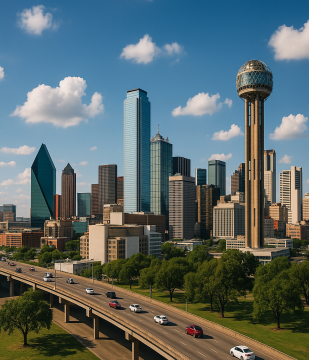
Why Dallas-Fort Worth is Still America's #1 Commercial Real Estate Investment Market in 2026

Terrydale Capital
Apr 27, 2026 14 Min read
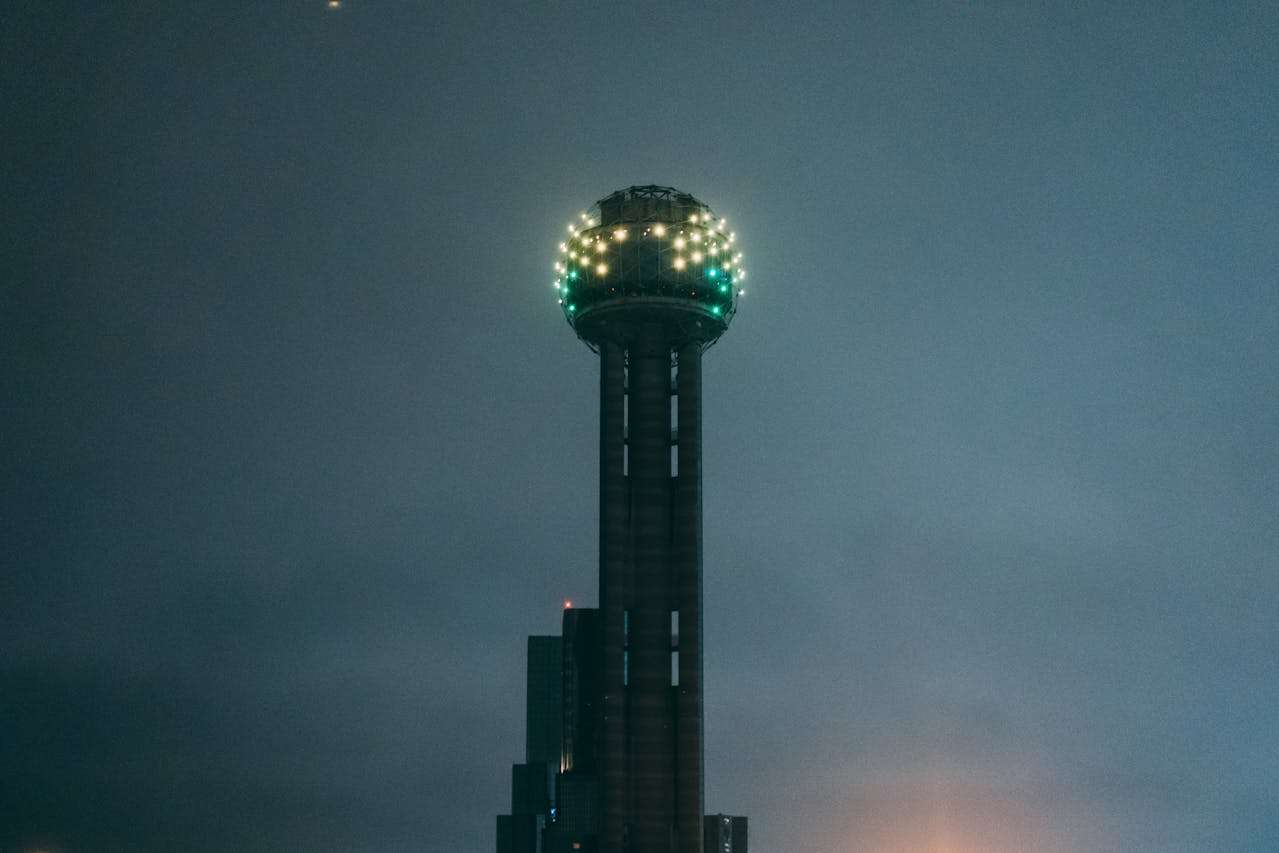
The Goldman Sachs executives weren't discussing quarterly earnings. They were talking about square footage. Eight hundred thousand square feet, to be exact, the financial giant's new regional campus in Dallas.
"Dallas wasn't our backup plan," one senior vice president explained to the Dallas Regional Chamber. "It was our growth plan."
That conversation happened in 2025. By 2026, it's become the norm.
While other markets stumble through economic uncertainty and regulatory headaches, Dallas-Fort Worth keeps winning. The numbers don't lie: DFW was the No. 1 metro for corporate headquarters relocations from 2018 to 2024. In those six years, the area attracted 100 new corporate headquarters.
But here's what makes 2026 different. This isn't about cheap land and low taxes anymore. Dallas-Fort Worth has evolved into something much more valuable: America's most predictable growth machine.
The Corporate Migration Continues —With a Twist
DFW nabbed 11 of the 164 headquarters relocations last year, the most of any city in the country. But the story behind those moves reveals why smart money keeps flowing here.
Take ScotiaBank. He cited Goldman Sachs' 800K SF regional campus in Dallas and ScotiaBank's 133K SF lease at Victory Commons One as examples of these regional hubs and what they bring to the metro. These aren't full relocations. They're strategic expansions.
Why? Because companies have figured out what real estate investors already know. DFW is also unique for its diversified industries, which allow it to cast a wide net when trying to attract relocations.
When energy tanks, tech picks up the slack. When tech wobbles, financial services step in. When everyone tightens belts, logistics and distribution keep humming.
DFW's population now exceeds 8.3 million, ranking among the fastest-growing large metros in the country. That's not just a statistic. It's a tenant base that keeps growing, keeps spending, keeps needing more space.
What $176 Billion in Agency Lending Means for DFW
Here's where the rubber meets the road. The Federal Housing Finance Agency raised the 2026 multifamily loan purchase caps to $88 billion per agency — $176 billion in combined Fannie Mae and Freddie Mac lending power.
For Texas apartment investors, that's rocket fuel. Dallas Apartment Loan rates start as low as 5.39% (as of March 28th, 2026) with government-sponsored enterprise backing. Compare that to hard money at 10% or private equity at 12%.
The math is simple. Lower borrowing costs mean higher returns. Higher returns mean more capital chasing DFW deals. More capital means property values hold steady — even when other markets buckle.
Current commercial loan rates in Texas range from 5.08% to 12.75% depending on the loan program. That spread tells you everything about the importance of deal structure. The right lender with the right property type can save you 7 percentage points.
That's the difference between a deal that pencils and one that doesn't.
The Infrastructure Advantage Nobody Talks About
The $3 billion expansion of Dallas-Fort Worth International Airport strengthens the region's logistics capabilities and supports both industrial and mixed-use development within Fort Worth's sphere of influence.
Most investors think about airports as conveniences. Smart investors think about them as economic engines.
DFW Airport isn't just moving people. It's moving goods. And goods need warehouses. Warehouses need workers. Workers need apartments and retail and office space.
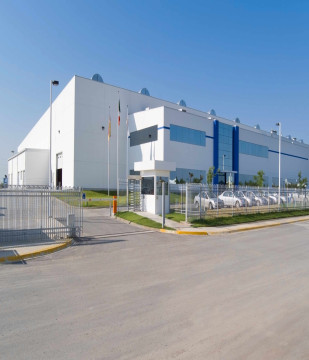
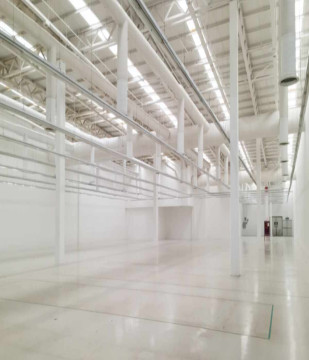
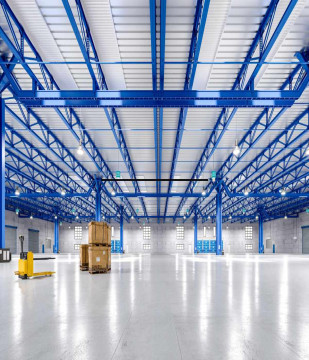
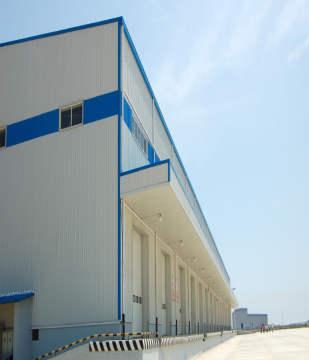
According to the latest data from CoStar, industrial rent growth sits at 4.5%, with demand strongest in infill locations near DFW Airport, Lewisville, and along the booming Highway 121 corridor. A speculative building at Windhaven and Trinity recently achieved $12.50 per square foot on a three-year lease. Smaller infill spaces under 50,000 square feet are commanding $10 to $12 NNN, while new suburban product ranges from $12 to $15 NNN. Market-wide, the average industrial rent sits at $10.22 per square foot.
Those aren't random numbers. They're the fingerprints of systematic demand growth.
The Office Recovery That Shouldn't Exist
Everyone knows office real estate is struggling nationally. Everyone except Dallas-Fort Worth tenants.
Despite national office headwinds, DFW recorded positive net absorption in 2025, the strongest year-end performance since 2019. Leasing remains strongest in Class A, amenitized properties in submarkets like Plano, Frisco, and North Dallas.
Why is Dallas bucking the national trend? Corporate relocations.
When Goldman Sachs moves 800,000 square feet into Dallas, those aren't remote workers. When Toyota expands its North American headquarters in Plano, those aren't Zoom jobs. These moves span finance, engineering, logistics, and manufacturing — underscoring the region's economic diversification.
The companies moving to DFW need physical space. They need collaboration. They need proximity to airports, clients, and other businesses.
Average asking lease rates reached historically high levels, increasing to $32.40 per square foot. That's not a problem for quality properties. It's proof of demand.
The Life Insurance Company Secret
Here's something most commercial real estate investors never learn: life insurance companies offer some of the best rates in the market, ranging from 5.23% to 8.60% for terms up to 30 years.
But they're picky. They want stabilized properties in strong markets with creditworthy tenants and long-term leases.
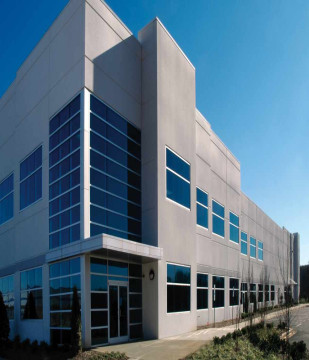
Dallas-Fort Worth checks every box. Industrial assets are trading around $140 per square foot, with cap rates averaging 6.2%. For institutional investors, that's the sweet spot — stable enough for conservative underwriting, growing enough for attractive returns.
A Dallas-based investor recently acquired three North Fort Worth shopping centers totaling 375,000 square feet for $113.7 million, financed through a life insurance company, near the $1.1 billion North City mixed-use development
Notice what happened there. Life insurance company financing at institutional rates for a $113.7 million deal. That's not happening in secondary markets.
Why Timing Matters More in 2026
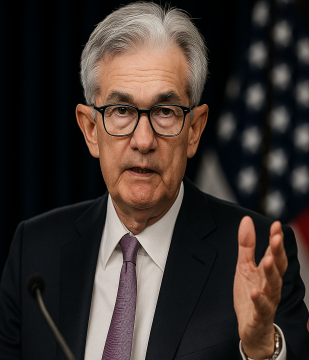
The Dallas Federal Reserve is projecting 278,400 new Texas jobs to be added by December 2026, representing a 1.9% increase in statewide employment.
Job growth drives everything else. More jobs mean more workers. More workers mean more demand for apartments, retail, and office space. More demand means higher rents. Higher rents mean higher property values.
But here's the catch: "DFW had record-shattering success a few years ago … but it's difficult to sustain that type of success year after year after year," said John Boyd Jr., principal of Florida-based corporate site selection specialist The Boyd Co.
That doesn't mean DFW is slowing down. It means the easy money phase is ending. The deals that pencil in 2026 are the ones with smart financing, strong tenant profiles, and locations that benefit from long-term demographic trends.
The Competition is Coming
Dallas-Fort Worth was the No. 1 destination for corporate relocations by a wide margin, but in 2026, the competition is much fiercer, from within Texas and beyond. Charlotte, Miami, Nashville and Phoenix continue rising as major contenders due to pro‑business environments, tax benefits, growing and diverse talent pools and supportive infrastructures.
Austin attracted 81 corporate relocations from 2018 to 2024. Nashville grabbed 35. Houston and Phoenix each captured 31.
But none of them have DFW's combination of size, infrastructure, and financing access. Between 2018 and 2024, DFW attracted approximately 100 corporate headquarters relocations, more than any other U.S. metro. The region now hosts 20+ Fortune 500 companies, and publicly traded firms headquartered in North Texas represent an estimated $1.5 trillion in combined market value.
That's not a trend. It's an ecosystem.
What This Means for Commercial Real Estate Financing
The smart money isn't just buying in DFW. It's buying with the right capital structure.
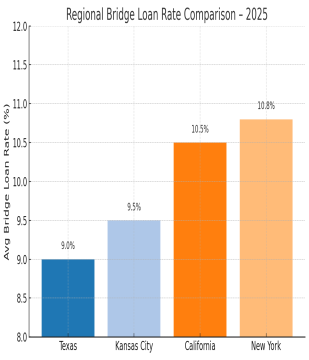
Agency lending for multifamily properties at 5.39%. Life insurance company financing for stabilized office and industrial assets. Bridge loans for value-add opportunities that can capture rent growth.
Moving further into 2026, the Dallas-Fort Worth CRE market is well-positioned for stability, leaning on its broad economic foundation and relative affordability. But affordability is relative. The best opportunities are being priced for their real value: consistent cash flow growth backed by the most reliable job market in America.
For investors who understand financing, DFW isn't just a market. It's a system. Corporate relocations drive job growth. Job growth drives rent growth. Rent growth drives property values. And the whole machine keeps running because the financing is available and the fundamentals are sound.
Dallas-Fort Worth isn't America's #1 commercial real estate market because it's the cheapest or the newest. It's #1 because it's the most predictable.
Even in a higher-interest-rate environment, the Metroplex's diversified economy, corporate relocations, infrastructure expansion, and population growth continue to differentiate it from peer markets.
Every other major market has a story. DFW has a system.
And in commercial real estate, systems beat stories every time.
If you're evaluating commercial real estate financing in Texas, Terrydale Capital's deep lender relationships and market expertise can help you access the right capital for your next Dallas-Fort Worth acquisition. (https://www.terrydalecapital.com/contact) to discuss financing options for your commercial real estate investment strategy.
Need help with a commercial loan? (https://www.terrydalecapital.com/multifamily-loans), construction loans, and investment property financing throughout Texas and the Southwest.
Partner With Terrydale Capital for Your Debt Financing Needs
When it comes to debt financing, understanding the right timing, process, and options is crucial. At Terrydale Capital, we provide a comprehensive range of commercial loan solutions tailored to meet your business's unique needs.


































Success!
Product has been created successfully!
Headquartered in Dallas, Texas, Terrydale Capital is a leader in commercial real estate financing. We have close relationships with the nation’s top banks, lenders & family offices allowing us to provide the most competitive financing solutions in the market.


