Why Dallas-Fort Worth is America's New Data Center Capital (And What It Means for Investors)

Terrydale Capital
May 8, 2026 10 Min read
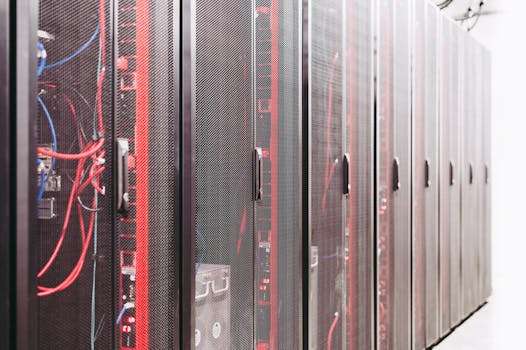
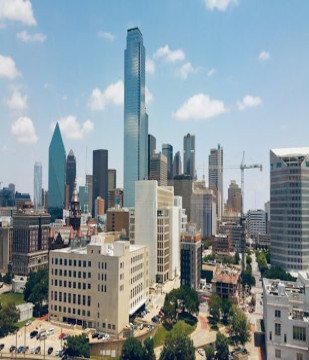
The Dallas-Fort Worth metroplex has quietly revolutionized America's digital infrastructure landscape. In just five years, DFW has secured its position as the world's second-largest data center market, trailing only Northern Virginia. This transformation from regional tech hub to global data powerhouse represents one of the most significant commercial real estate opportunities of the decade.
The Numbers Tell a Remarkable Story
DFW currently has a staggering 1,083 MW under development with nearly 80 percent preleased and a vacancy rate near zero. To put this in perspective, one megawatt could power between 400 and 900 homes for a year. The scale of upcoming development is even more impressive: with 1,083 MW currently under construction and 3,870 MW in the pipeline, substantial new capacity is anticipated over the next 24 to 36 months.
Since 2020, DFW's data center supply has expanded by a staggering 200%, growing from 710 MW to almost 1,650 MW today. This explosive growth has been matched by equally impressive demand: in 2023, demand totaled 478 MW, with 2024 showing no signs of slowing, with 168 MW absorbed as of mid-year.
Major Investment Projects Reshaping the Region
Several massive developments underscore DFW's growing prominence. Fort Worth City Council is considering a tax incentive package for a $1.1 billion Edged US data center project at Veale Ranch that would be developed in two phases and represent a total capital investment of about $1.1 billion.
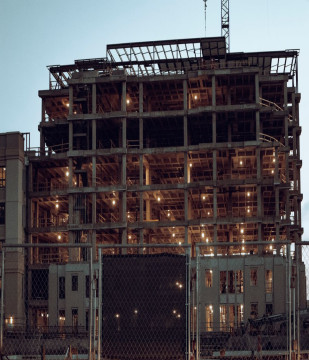
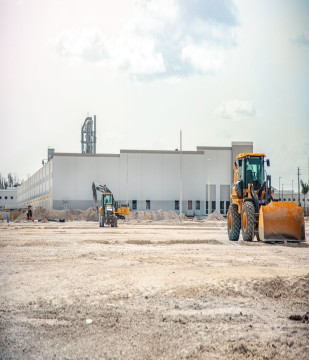
In Fort Worth, owner CyrusOne LLC broke ground earlier this year on this first building for a planned two-building complex requiring more than $1 billion in overall investment. Work on this initial building is expected to be completed by the end of next year. The 190,000-square-foot building will use approximately 70 megawatts of power.
Digital Realty's Garland project represents another major milestone. A roughly $1 billion data center project on 60 acres near the Bush Turnpike received economic incentives from the Garland City Council. The total capital investment from Digital Realty and potential tenants is expected to be more than $600 million.
Why DFW Became America's Data Center Magnet
Several key factors have propelled DFW to the forefront of data center development:
Power Advantages: At 6.8 cents per kilowatt hour, DFW was among the five cheapest markets listed by JLL in terms of electricity costs, in step with Atlanta (6.8 cents), Northern Virginia (6.5 cents), Denver (6.4 cents), and Salt Lake City (5.7 cents).
Speed to Power: Perhaps most critically, DFW has a "time-to-power" advantage. Thanks to the work of Oncor in the region, DFW can get power transmission to a site in a mere 18 months, compared to 36 months in Northern Virginia and Silicon Valley. This significant reduction in time-to-power makes DFW an attractive option for data center operators.
Strategic Location: The region benefits from a huge base of new electricity generation from new solar, wind, and natural gas projects, a robust fiber network, and proximity to major cloud regions. These resources provide low-latency, high-bandwidth connections that are essential for data center operations.
Texas's Broader Data Center Transformation
DFW's success is part of a statewide phenomenon. From Cushman & Wakefield's perspective, the entire Texas market is the one to watch right now. The Dallas area is an established data center market, but the state as a whole is attracting a huge deal. Outside of Dallas, major metropolitan areas like Houston, Austin, and San Antonio are all experiencing development activity.
The Stargate Project's corporate plans encompass the buildout of multiple large data center complexes across various states, resulting in $500 billion in potential investment. Texas is a national leader in new data centers, which often require significant water sources for cooling and enough energy to supply power to a midsized city. A 2024 state report noted Texas was home to about 300 data centers with 141 of them located in North Texas.
What This Means for Investors
The financial implications for investors are substantial across multiple sectors:
Tax Revenue Impact**: These developments are major revenue drivers due to high capital investment and long-term property value. The investment translates into millions of dollars in annual property and business personal property taxes, which then support funding for schools, hospitals, infrastructure, and public services. In Red Oak, a suburb south of Dallas, the construction of one of DFW's largest data center developments is projected to yield five times the tax revenue generated by the city's leading current source.
Commercial Real Estate**: Data centers have emerged as the top commercial real estate investment opportunity. Per the Emerging Trends in Real Estate 2026 report, data centers are the top asset type for investment and development prospects and they've been so for the past three years. Industry leaders are bullish on demand growth for the sector with ever-cresting advancements in cloud computing, enterprise data, and generative AI.
Infrastructure Investments**: Fort Worth had a banner fiscal year in economic development in 2025 with $6.7 billion in new capital investment and more than 6,900 in new and retained jobs. Those economic projects include a mix of the old and the new, the Taiwan-based Wistron manufacturer will spend $761 million on AI supercomputer plants that will create more than 800 jobs.
Market Constraints and Future Opportunities
Despite rapid growth, challenges remain. JLL noted that lead times for equipment and grid connections have delayed some delivery dates in the region to post-2026. Nationally, the average wait time for a grid connection is four years. However, supply constraints have benefits they'll avoid the creation of a bubble in the sector.
The demand continues to outpace supply dramatically. Brant Bernet says Dallas is facing 40 gigawatts of requests for power right now, or effectively 40 times the amount of supply available. Based on what we see, that 40 gigawatts is five gigawatts of real demand in Dallas-Fort Worth.
The Investment Takeaway
For commercial real estate investors, DFW's data center boom represents a rare convergence of factors: massive demand, limited supply, supportive infrastructure, and favorable economics. Fueled by accelerating demand from artificial intelligence and cloud computing, an ideal connectivity network, and room to develop, Dallas-Fort Worth's status as a data center powerhouse will continue to prevail. As capacity expands and new developments come online, DFW will continue to attract investment, create jobs, and drive lasting economic value across North Texas.
The transformation of Dallas-Fort Worth into America's data center capital isn't just a technological shift, it's reshaping the region's economic foundation for decades to come. For investors positioned to capitalize on this digital infrastructure boom, the opportunities have never been more compelling.
Partner With Terrydale Capital for Your Debt Financing Needs
When it comes to debt financing, understanding the right timing, process, and options is crucial. At Terrydale Capital, we provide a comprehensive range of commercial loan solutions tailored to meet your business's unique needs.













































Success!
Product has been created successfully!
Headquartered in Dallas, Texas, Terrydale Capital is a leader in commercial real estate financing. We have close relationships with the nation’s top banks, lenders & family offices allowing us to provide the most competitive financing solutions in the market.


