Refinancing Commercial Real Estate in Dallas in 2026: What to Expect

Terrydale Capital
May 26, 2026 12 Min read

It’s the middle of 2026. Picture this: you’re staring down a balloon payment, your original commercial loan is about to mature, and the Dallas skyline buzzes with construction cranes and new faces. The city is growing fast, but refinancing isn’t what it was a few years ago.
How do you navigate the new landscape? Let’s break it down in plain English.
The Refinancing Crunch: Why 2026 Is Different
Dallas and the larger DFW metroplex have boomed since the pandemic. But that boom created its own set of challenges. Nationally, and in Texas, billions in commercial real estate loans are hitting maturity in 2026. Many of these were originated back in 2016–2018, when rates were low and banks were eager.
Fast-forward:
- The Federal Reserve has pushed interest rates higher to tame inflation.
- Underwriting standards for banks and non-bank lenders are tighter than ever.
- Commercial property values have shifted—some asset classes like suburban multifamily remain strong, but office and retail are another story.
Example: In Far North Dallas, a 100-unit mid-2010s apartment building bought for a 3.75% rate in 2018 might now be looking at rates in the 6.5% to 7% range for a new 5-year fixed mortgage in 2026. That reduces cash flow and pushes buyers to hunt for creative solutions.
What Lenders Want in 2026
Don’t expect a rubber stamp. Dallas-area borrowers will see:
- Debt Service Coverage Ratio (DSCR) Requirements: Most lenders want to see at least a 1.25 DSCR for stabilized assets. In practice, many set the bar higher for riskier asset types, sometimes up to 1.35 or 1.40.
- Loan-to-Value (LTV) Compression: The days of 80% LTV are over, especially for office, retail, or transitional deals. Typical LTV for multifamily in Dallas will hover around 65-70%—and even less if the property type is out of favor.
- Rent Roll and Operating History: Clear, consistent rent collections and expense management are key, especially as some assets have seen uneven occupancy since COVID.
- Strong Guarantors and Global Cash Flow: Sponsors need capital reserves and clean personal financials. For small-balance commercial deals, local banks and credit unions are grilling borrowers more than ever.
- Prepayment Penalties, Rate Caps, and Recourse: Many lenders are adding or tightening prepayment language, requiring rate caps on floating debt, and in some cases insisting on full or partial recourse.
Real-World Illustration: A Dallas investor refinancing a triple-net retail strip center in Lake Highlands might find national lenders offering only 55-60% LTV, a 7%+ fixed rate, and new reserve requirements for leasing commissions and tenant improvements.
How Loan Types Stack Up
Dallas borrowers have more options than in many US markets thanks to lender competition and investment migration from higher-cost, higher-regulation states.
- Agency Loans (Fannie/Freddie): Still a backbone for stabilized multifamily. Rates in mid-2026 are typically 6%–6.75% fixed, but with strict DSCR and LTV limits. Reserve requirements tightened since 2024, especially for older product.
- Life Insurance Companies: Their allocations favor low-leverage, proven sponsors. Expect conservative loan sizing (55–65% LTV) but competitive rates and longer fixed terms. Best for core-plus assets with stable cash flow.
- CMBS (Commercial Mortgage-Backed Securities): Back in the market but picky. Rates run about 7%+ with 10-year amortization and non-recourse, but watch for high closing costs.
- Bank and Credit Union Loans: Shorter terms, often 3- to 5-year resets, and lenders may require recourse. Banks are heavily scrutinizing office and retail assets due to vacancy concerns.
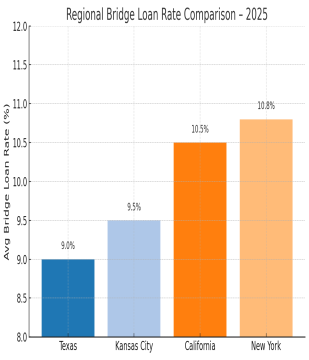
- Bridge & Debt Funds: Essential for properties in transition. These come with higher rates (mid 8%–10% in 2026), lower LTV, and are best suited for quick repositionings or value-add plays. Underwriting is aggressive on pro forma rents but not as forgiving on actuals.
- SBA Loans: For owner-user properties only. While rates follow the market, 504 and 7(a) loans remain attractive for certain business owners, often under 7% in 2026, with high leverage (up to 90%).
- Private Lenders & Hard Money: Last-resort, expensive, but invaluable for some deals facing deadlines or distress. Think 10%+ rates and points up front. These can buy time for a turnaround, but aren’t long-term solutions.
Application: A Dallas broker working with a multifamily owner facing a near-term maturity can run a side-by-side analysis—showing bridge debt for a year versus agency permanent debt, weighing prepayment risk and capex plans.
The “Maturity Wall” and Borrower Pressure
Here’s where the pain bites: Thousands of loans in Dallas and across Texas will come due this year alone. Equity investors want to avoid dilutive capital calls. Some borrowers are facing negative leverage (where new debt costs outpace property cash flow), especially on assets bought at 3%–4% cap rates during the peak.
What’s the play?
- Start Early: Savvy borrowers are starting six to nine months before maturity, stress-testing interest rate changes and fresh appraisals.
- Get Several Bids: Sourcing from banks, agency lenders, debt funds, and CMBS at once gives the power to compare and negotiate.
- Fix It Early if You Can: Even if rates are slightly high now, locking in stability can be safer than gambling on another shift in the Fed funds rate.
- Consider Partial Paydowns: If LTV is too high or the asset value dropped, paying down the principal can get a deal closed without a partner buyout.
- Refinance Bridge: For heavy value-adds, refinancing with a bridge loan can buy time while leasing up or finishing renovations, with an eye on permanent financing later.
Common Roadblocks and Solutions
- Drop in Appraised Value: Prepare for surprises. Appraisals in 2026 might lag market optimism, especially for struggling asset classes. Consider “cash-in refis” or partner capital top-ups early.
- Interest Rate Shocks: Test your numbers at multiple rate levels—the days of floating below 5% are gone.
- Bank Pullback: Some Dallas lenders are at regulatory or “self-imposed” capacity for real estate exposure. Don’t rely on one bank.
- Loan Covenant Breaches: Be transparent with lenders if you breached DSCR or occupancy covenants under your current note. Many will restructure, but only if approached early.
Example: A North Dallas hotel owner hit hard by mid-week business travel drops found their bridge loan maturing. Working early with local and national lenders, they secured a short-term extension in exchange for a fee, then refinanced six months later at stabilized income.
The Dallas Difference: Why This Market Still Wins
Despite the squeeze, Dallas-Fort Worth remains one of the most attractive CRE markets in the US. Population growth, business relocations, and steady job gains keep demand healthy—especially in multifamily, industrial, and medical office.
Local lenders often have more room to maneuver than national banks, and Texas remains generally business-friendly. Properties with strong sponsors and proven business plans get real attention.
Final Takeaways
- 2026 refinancing will require sharper preparation and flexibility.
- Borrowers in Dallas should expect higher rates, tighter LTVs, and demanding documentation.
- Start early, compare lenders, and be ready for fresh equity if needed.
- The best deals will go to those who know the market and approach lenders with a complete story.
If you need expert guidance through your next commercial loan refinance, Terrydale Capital has the lender relationships, technology, and real market insight to help you secure the best terms available in Dallas or anywhere in Texas.
Learn more about our commercial loan programs or connect with a financing expert today.
Partner With Terrydale Capital for Your Debt Financing Needs
When it comes to debt financing, understanding the right timing, process, and options is crucial. At Terrydale Capital, we provide a comprehensive range of commercial loan solutions tailored to meet your business's unique needs.




























































Success!
Product has been created successfully!
Headquartered in Dallas, Texas, Terrydale Capital is a leader in commercial real estate financing. We have close relationships with the nation’s top banks, lenders & family offices allowing us to provide the most competitive financing solutions in the market.


